WA Advocacy Trip
January 2026
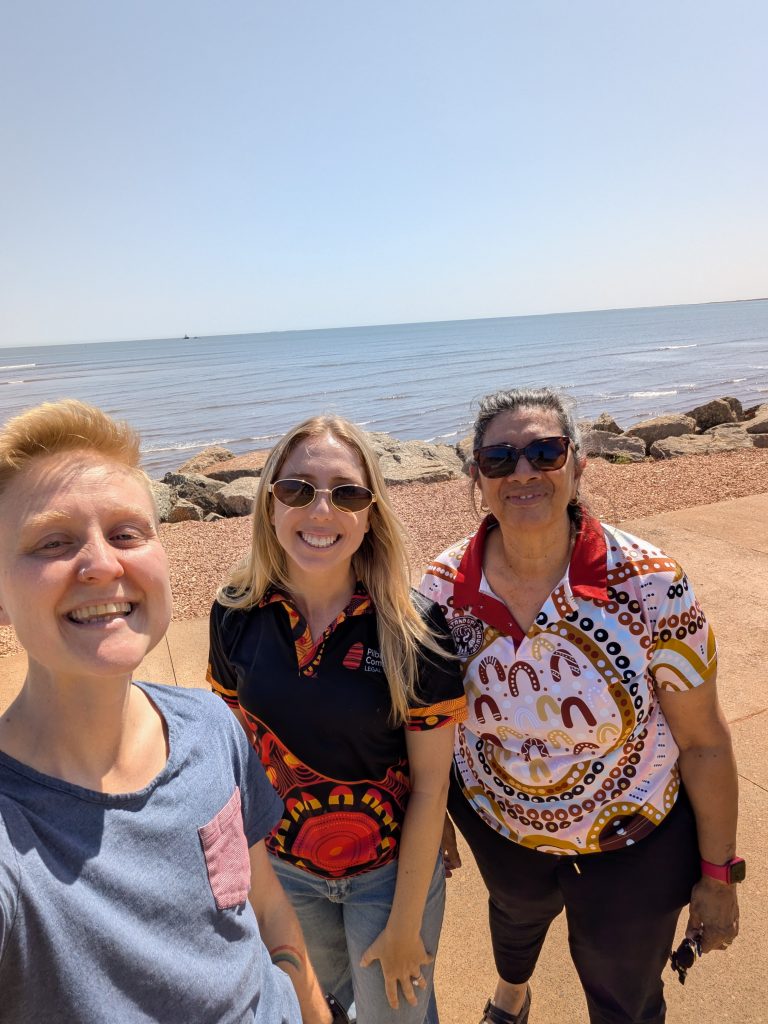
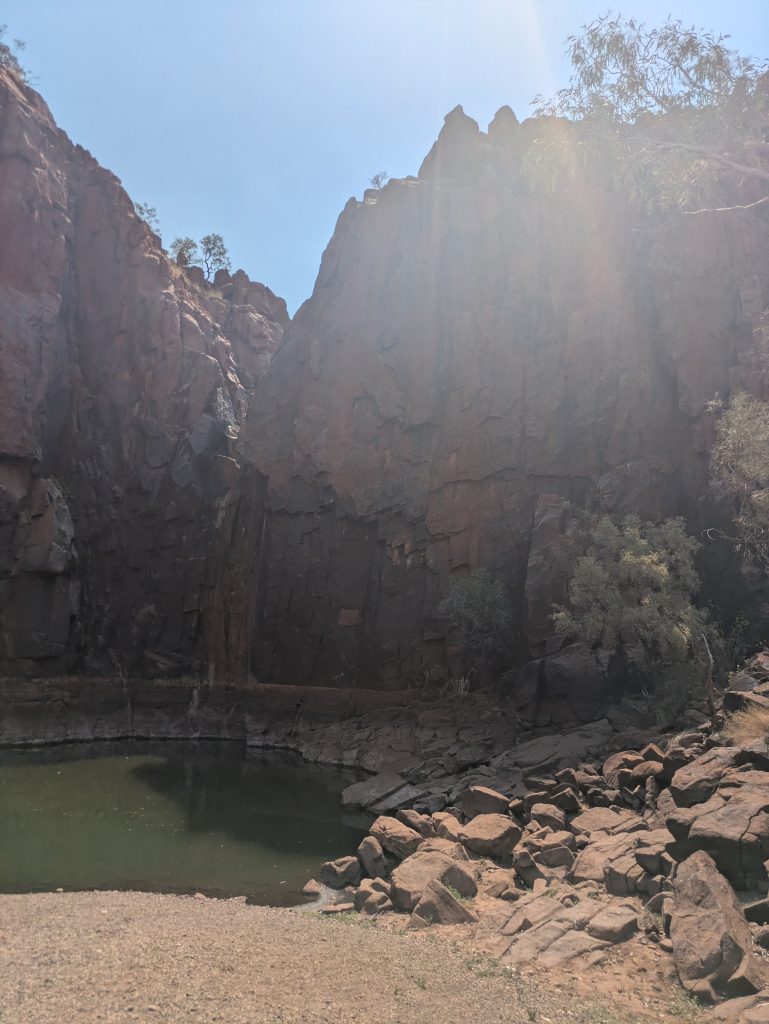
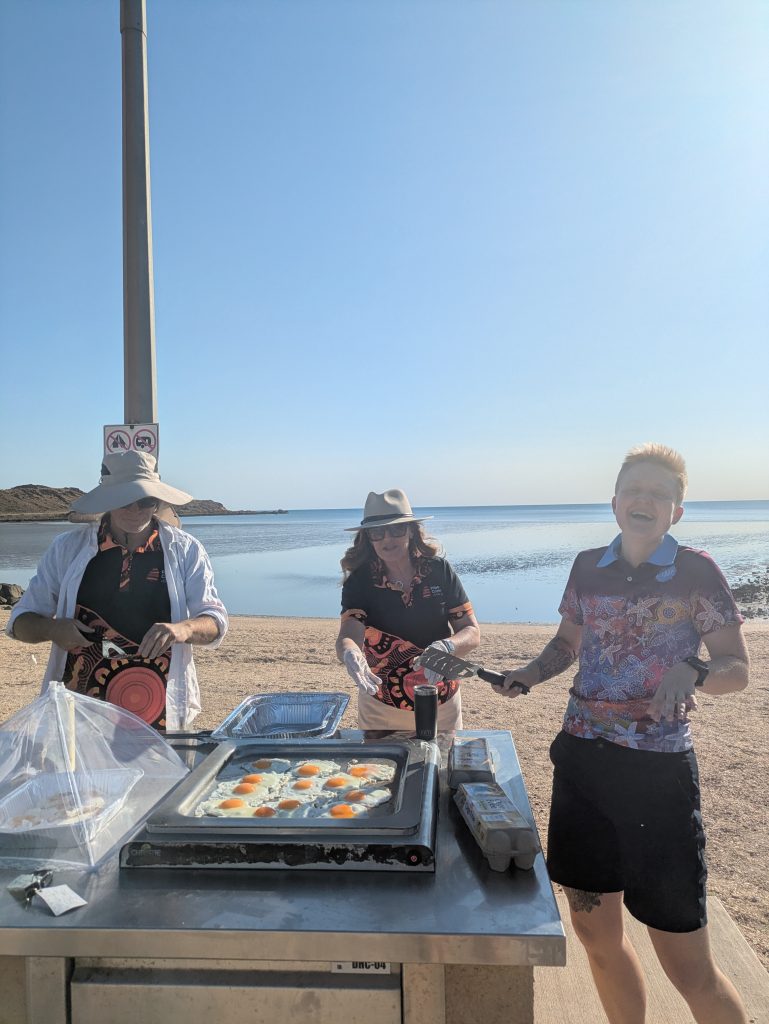
In October 2025, I had the opportunity to visit a number of member centres in Western Australia, including five offices in regional and remote areas.
The goal of the trip was twofold:
- Professional development – the opportunity to learn from frontline workers in our sector on their home turf
- To help inform the national peak’s Vision for Justice advocacy for 2026.
The trip was less about learning entirely new things (we believe what centres tell us about what their work looks like!) and more about gaining firsthand experience (however brief) of the realities of delivering services in and to regional and remote communities. Below is just a tiny fraction of what I learnt and experienced.
Perth
Before heading up to the Pilbara and the Kimberley, I visited Community Legal Western Australia and a few Perth-based centres. It was lovely to spend time with state peak colleagues and learn about the great work they’re doing, especially on the turnaways project, their lived experience work, and around sector workforce.
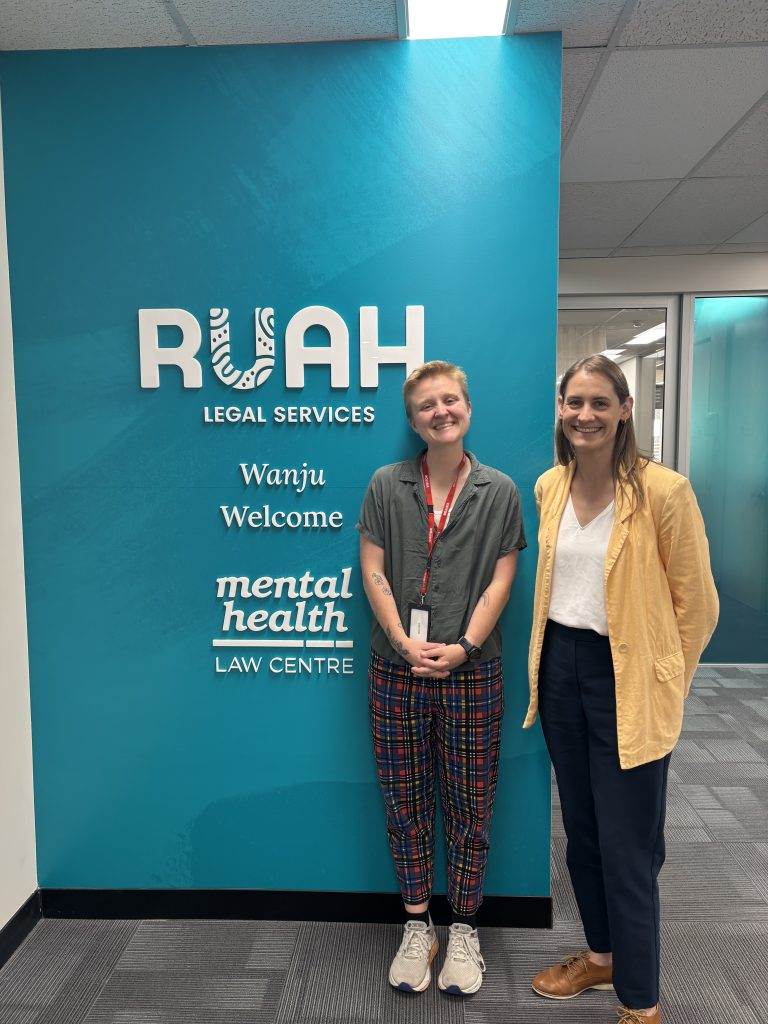
One of the asks in our 2026-27 federal budget submission is for more funding for health justice partnerships, so I visited Ruah Legal Services – a mental health specialist community legal centre – to learn more about what they do and record advocacy content. We’ll be using this content ahead of the budget, and also in the second half of 2026 for our State of the Sector Survey report and our advocacy project on increasing and diversifying sector funding. This will emphasise how community legal centres deliver benefit across a range of government portfolios – including health.
I initially reached out to Sussex Street Community Law Service because I wanted to hear about their experience setting up Rainbow Legal, a LGBTQI+ specialist service.
However, the timing of my visit meant I was also able to join and observe the fantastic work of the centre’s specialist service working with respondents to restraining orders to reduce and prevent violence, at the ‘Super TAD’. The Super Trial Allocation Day (‘Super TAD’) takes place in the Magistrates Court once a year, when the Court tries to get through its waiting list for restraining order trials by calling dozens of cases to attend at the same time on the same day.
As you can imagine, the day can be incredibly high risk with applicants and respondents all mixed in together in the same space. Sussex Street Community Law sends a team down to try to make sense of the situation and keep matters out of court, and they do so in a trauma informed way. This is a great demonstration of our Vision for Justice action: to enhance community legal centres’ contributions to changing community attitudes and behaviours surrounding domestic, sexual and family violence violence, including through providing legal and related support to users of violence to support accountability and changed behaviour.
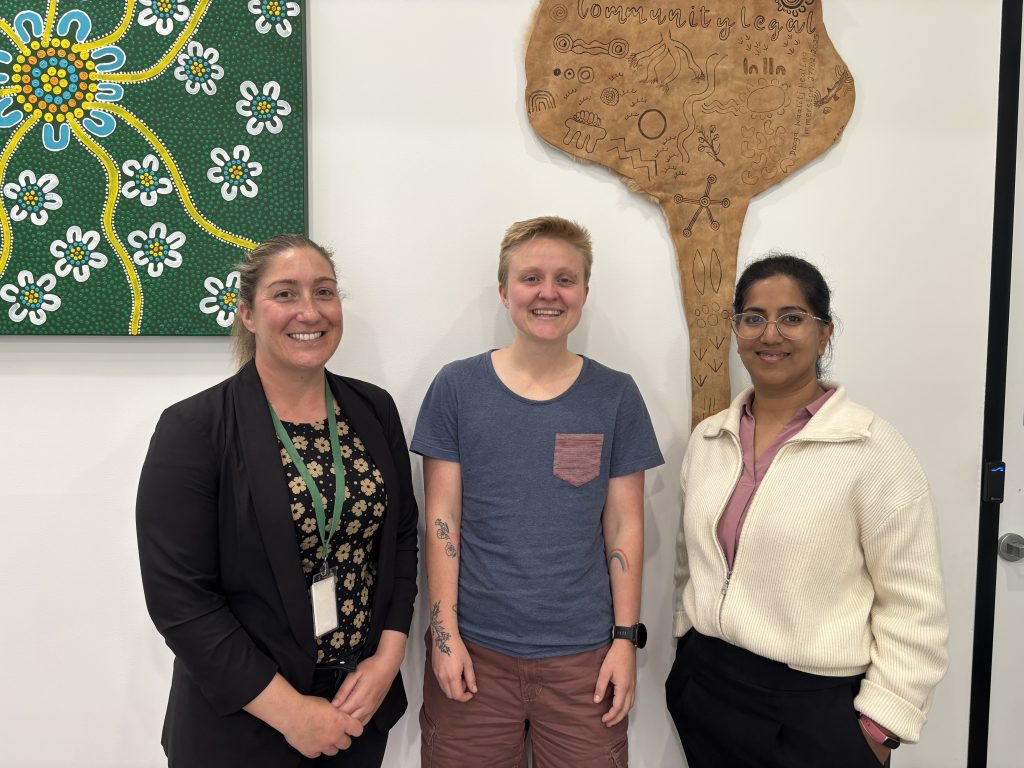
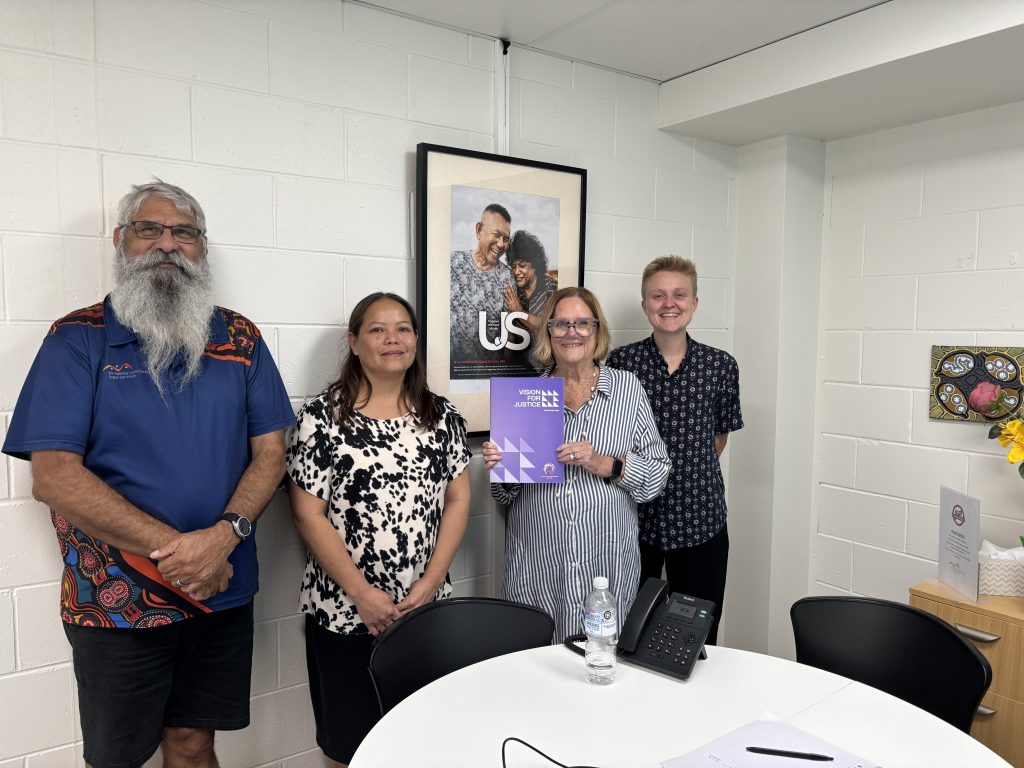
I visited Circle Green (pictured right) to chat with their Humanitarian Team, in line with our Vision for Justice asks around migration justice, and for priority group funding for legal assistance for refugees, people seeking asylum, and vulnerable migrants. Among many other things, they talked me through some of their work developing a social impact evaluation framework for the Protection Visa and Appeals Legal Service.
And then it was time to head up north!
The Pilbara and the Kimberley
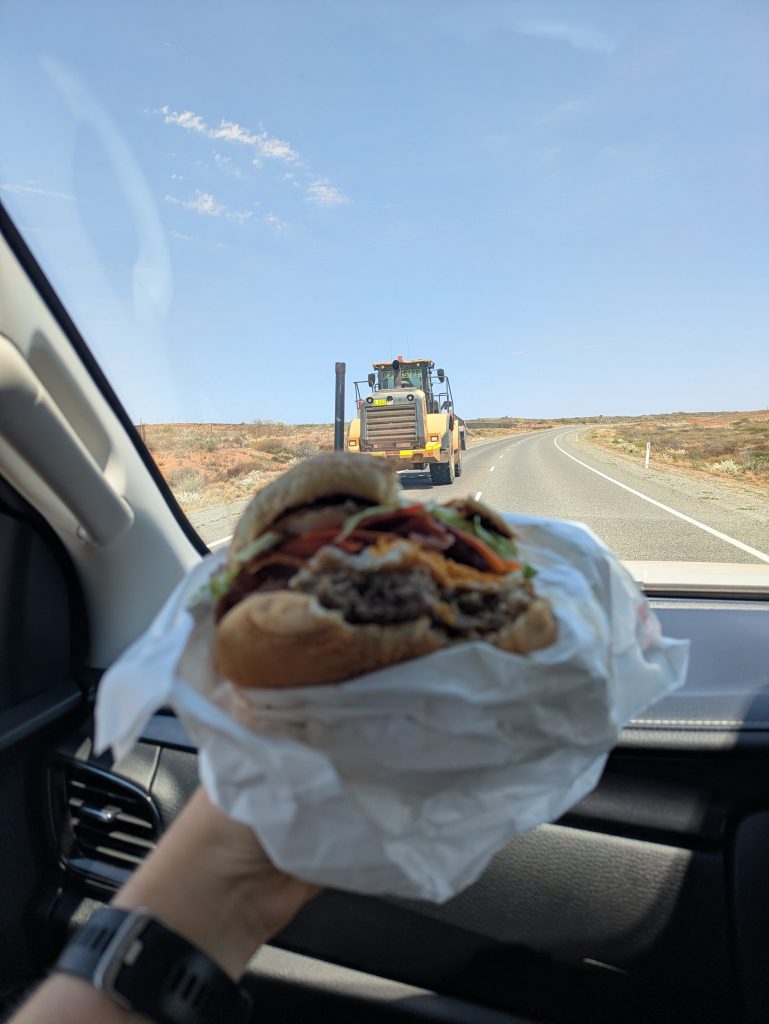
My first stop in the Kimberley was Onslow (population 900). I flew up on the Friday morning to meet with Pilbara Community Legal Service (PCLS) on outreach, where I witnessed first hand some of the difficulties in delivering services to remote communities – a client out of town and uncontactable, another unable to meet that day, a local service having recently changed over staff so needing to re-explain a proposed collaboration, and more. Then, after a quick servo stop for some food, we drove the 307km back to Karratha.
I spent the weekend in Karratha and was struck by some of the unexpected barriers. I’m lucky I passed my driving test and got my provisional licence about two months before the trip as I hadn’t realised the tap water in the Pilbara isn’t drinkable, and my accommodation was a caravan park a few kilometres away from the nearest grocery store. My first stop after getting the car was to drive to go and pick up a slab of 24 water bottles. That wouldn’t have been a fun walk – temperatures were in the upper thirties or into the forties.
My accommodation was also about 5km away from PCLS, and the bus only goes a few times a day, on a route that’s not ideal, and not at times that make sense for office hours. A 5km walk to and from work is pretty reasonable in some circumstances, but late October in Karratha are not those circumstances. It’s very clear how not having access to a car or licence would be a huge barrier to employment, and to accessing services. And it’s also clear why rates of offences for unlicenced driving are so high.
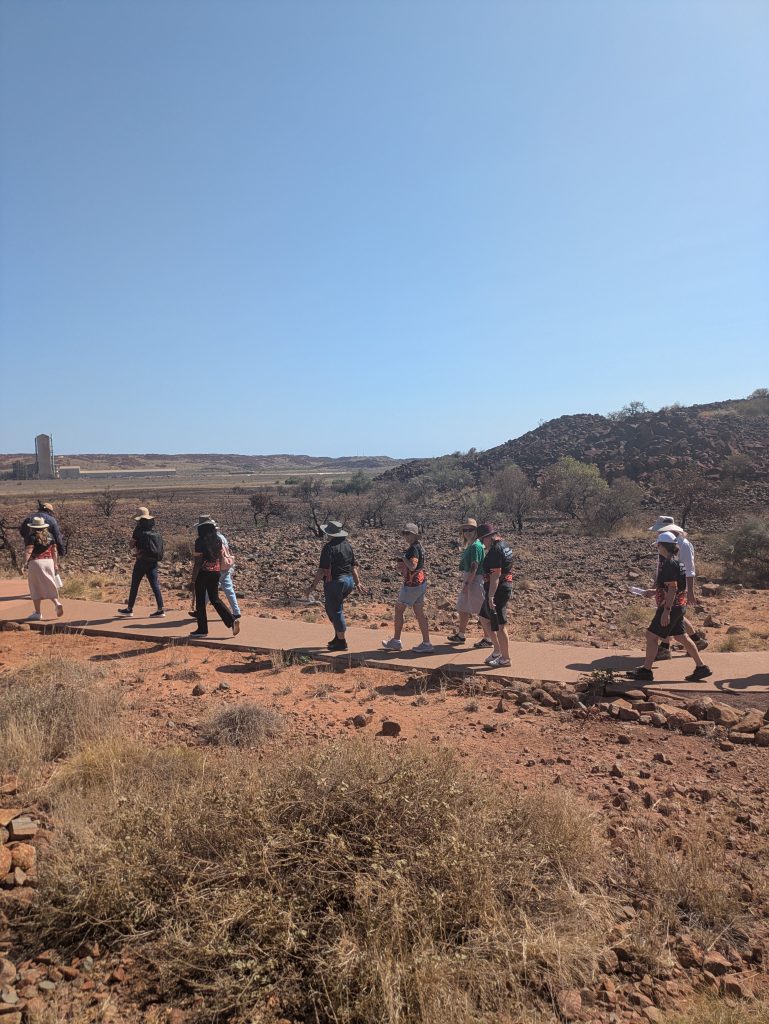
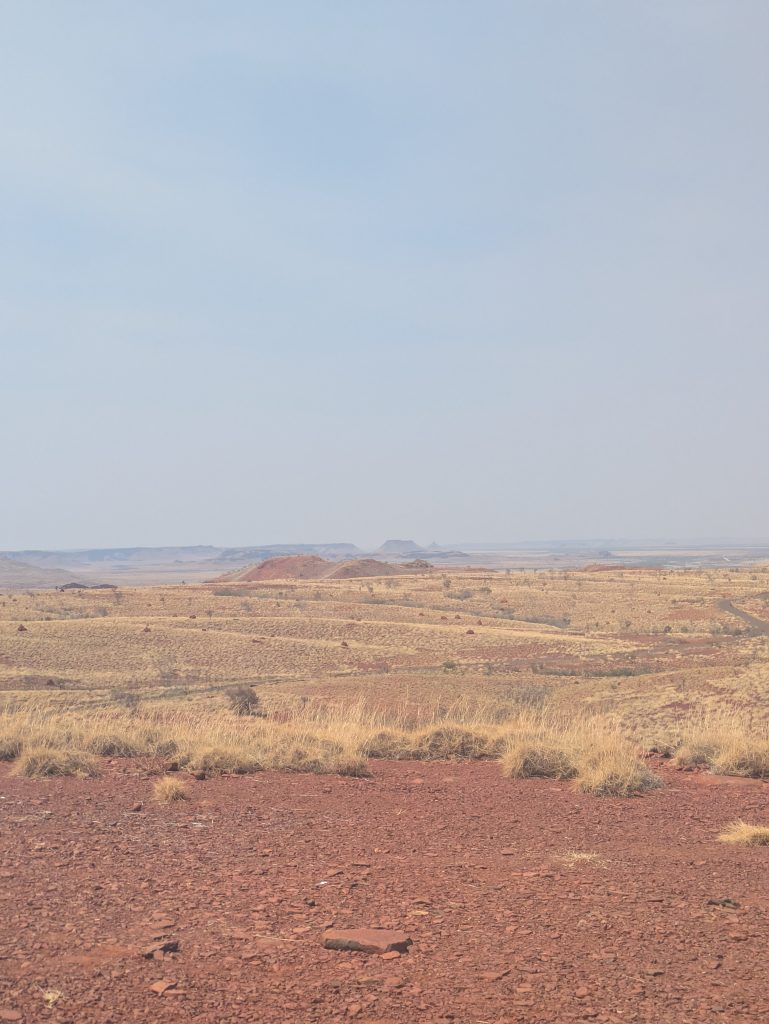
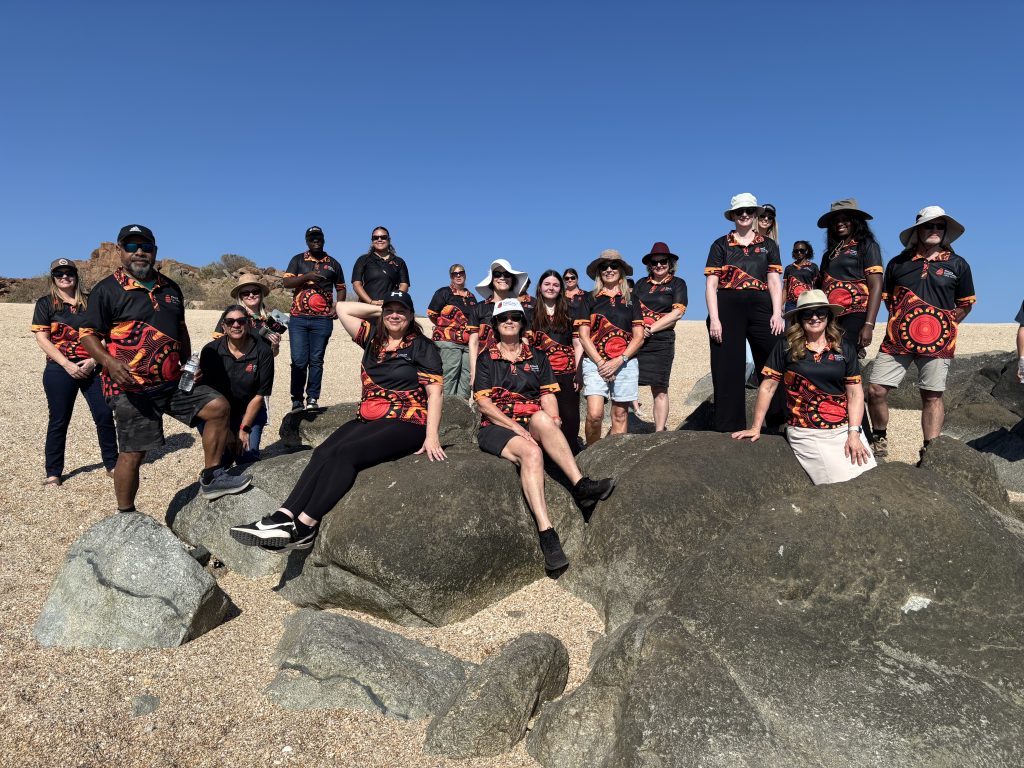
I spent the Monday at the PCLS Karratha office and had some great chats with lots of different staff members about their work and their experiences living in the Pilbara. On Tuesday, I joined PCLS’s Staff Development Day, which began with Cultural Awareness Training on Yaburara Country. It was a quite surreal experience learning about history stretching back tens of thousands of years, at a UNESCO World Heritage listed site (the Murujuga rock art), while just the other side of the bay an active mine went about its business. In the afternoon, I presented at the PCLS staff development day on national community legal sector advocacy, and to provide a basic media 101.
On Wednesday morning, I joined some staff from the PCLS Port Hedland office on the drive back up to Hedland. We drove around a little so I could see the town, drop in at the local court, and stop by the ALS WA office for a quick chat. Then, I went to visit the Aboriginal Family Legal Services office in the afternoon.
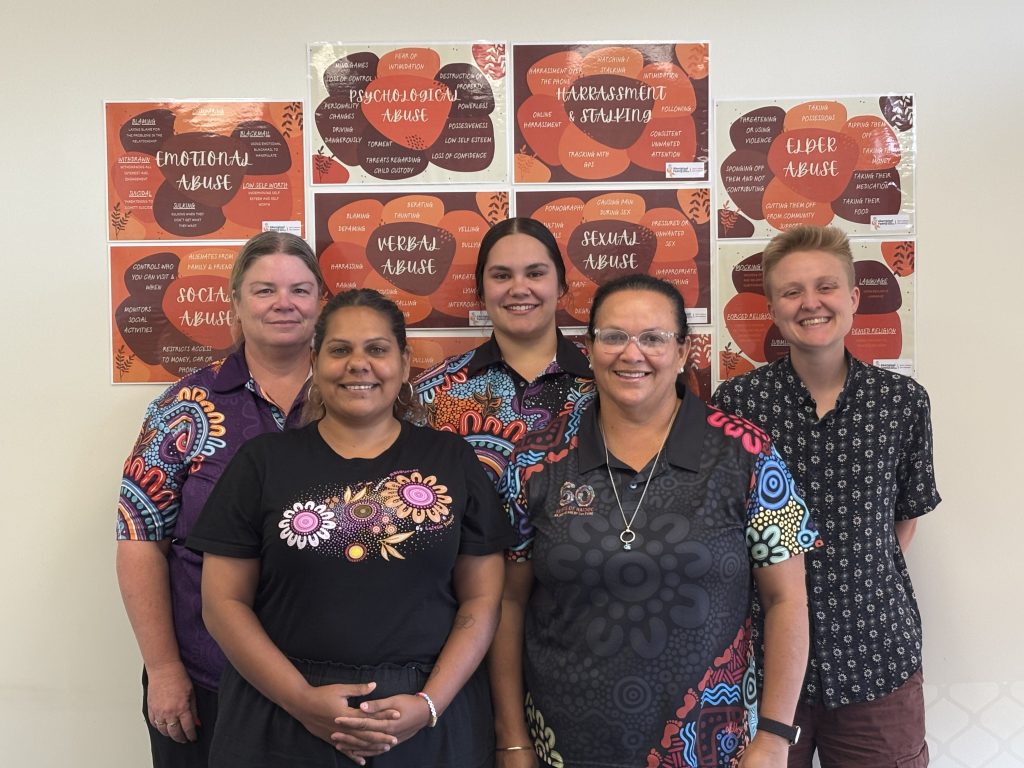
At AFLS Port Hedland I had the opportunity to chat with four allied professional workers. Their office had been without a lawyer for over a year. That obviously creates some really significant challenges for the staff, and for clients trying to seek assistance. Many of their clients don’t have reliable access to a phone, so for these clients, walking into the centre and being offered a scheduled online appointment with an AFLS lawyer in another town or city at a time in future isn’t a reasonable substitute for being able to chat to a lawyer that day in person. Understandably, people can become distressed, might not end up getting the help they need, and this can also impact staff wellbeing.
I took an overnight bus to Broome on the Wednesday night (and was told by AFLS staff that they’d be putting a client on that same bus) and then on Thursday morning, I headed straight across to the AFLS Broome office to speak with five of the workers there. I heard about the areas of law they work in, the way they do outreach, community legal education and community education, partnerships with other local services, and so much more.
On Friday, Kimberley Community Legal Service talked me through some of the barriers they experience as a small community legal centre servicing the largest geographic catchment area of any community legal centre in Australia. Like all 4R offices I went to, recruitment and retention of workers was the top difficulty they were experiencing, as well as the significant barriers their client base experiences engaging with the legal system with many not having IDs, birth certificates or regular access to a phone.
“What worries me is the change in the funding models where there’s very much…service numbers data and how do you explain the complexity? I mean, you can try and explain it, but how can you quantify, you know, that it takes all of that work to get instructions from a client?…the cost and time it takes to deliver…there’s a lot of community in our legal services.”
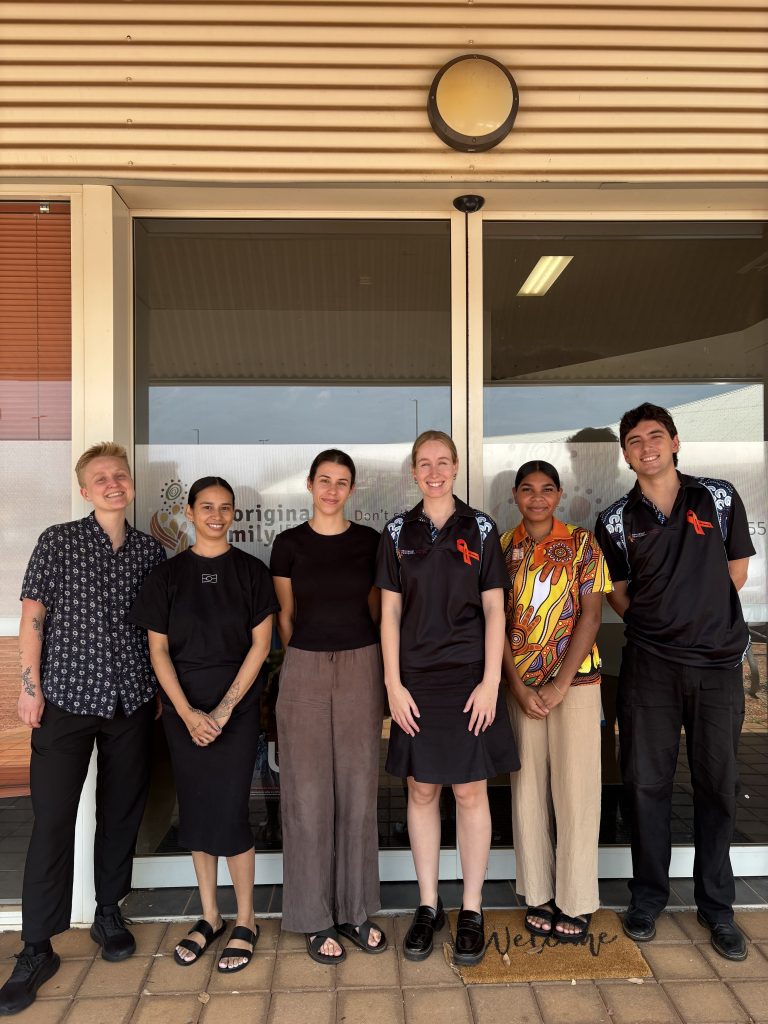
They also shared with me some of the great work they’re doing in collaboration with other local services to prevent domestic and family violence through their US Without Abuse campaign, and their work to improve housing justice for renters in the Kimberley.
Reflections
You can hear (and write) about lawyers and other remote community legal centre professionals having to drive four hours to get to a client’s home for an appointment but not really internalise it until you are sitting in a car on a 43 degree day on that drive back, after not having actually seen the client because they weren’t home or reachable via phone. You can hear that it’s “a different way of lawyering” in the bush a hundred times but actually being there and seeing the huge diversity of tasks and challenges that make up the day-to-day work really drives it home.
Some of my key takeaways:
- Work in 4R communities is such a qualitatively different type of work. We know that our sector – in metro and in 4R areas alike – is full of incredibly hardworking people who too often go above and beyond to provide the best support to the people who come to us for help. What this trip really impressed upon me is how the actual work done is so different in 4R areas. Because of the justice barriers in 4R communities, the same incredibly hardworking lawyer, social worker or community development worker would need to spend many more hours and do a greater range of tasks and activities in order to provide a “like for like” assistance to a person in a remote community as compared to for a person in a metro area.
- Almost every centre I visited had a domestic, family and sexual violence primary prevention program. These aren’t centres just drowning in extra funding and spare time, they’re really stretched. Yet because of the critical importance of this work to the communities they serve, it’s prioritised, even though it can be very time-consuming.
- Almost every centre I visited spoke about how access to services (including or especially legal services) for users of violence was one of the most important safety mechanisms to keep victims-survivors of domestic and family violence safe from further abuse. This was both from the centres that themselves provide these services, explaining why it is they do this work; and from centres whose policy is to only assist victims, telling us that they and their client breathe a sigh of relief when they hear that the person abusing their client has a lawyer.
- Being in a smaller remote community where everyone knows each other, binds people together and can blur the centre/community/client distinction. In my early conversations with 4R workers, I had prepared two separate questions about the barriers to justice for their clients and the communities the centre serves, and the difficulties and barriers for them as a community legal centre worker. For the most part, people’s responses didn’t distinguish. Community legal centres and centre workers are the local community. They face many of the same barriers as their clients. Everyone is impacted by the housing crisis, cost of living, lack of services, long distances to travel, transportation difficulties, etc. – albeit sometimes in different ways and to different degrees.
This year, we’ll be doing a project looking at and sharing the domestic and family violence prevention work of our sector, and a storytelling project focusing on 4R communities, both heavily informed by this trip. Many thanks to all the centres that invited me to come and visit, and to all the workers who took the time to speak with me. It’s been so valuable to me and to Community Legal Centres Australia.